Should you avoid seed oils? An evidence-based guide
There is intense debate about whether seed oils are bad. Are they ultra processed? Do they contain too much omega 6? Let's break it down.

Tormund Gerhardsen
Founder of The Food App
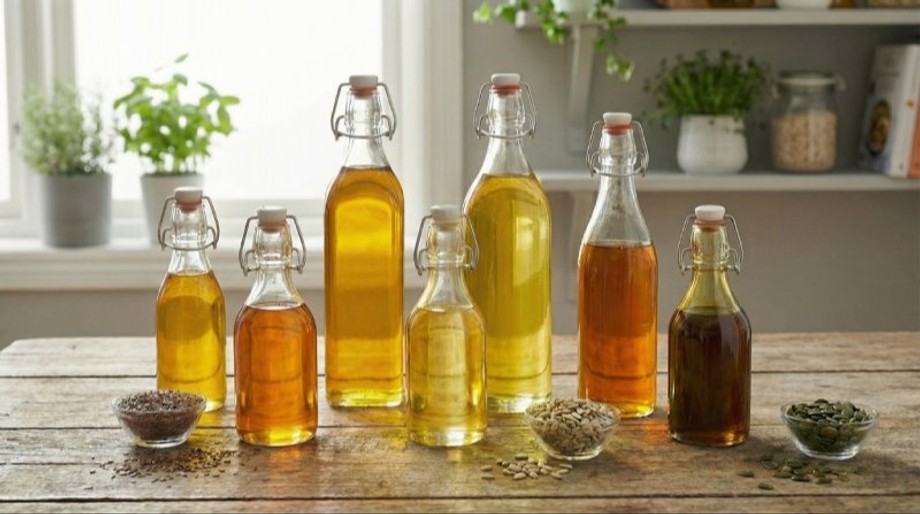
Seed oils are a normal part of modern cooking. The term refers to oils extracted from the seeds of plants instead of fruits or animals. The key difference from other oils is the processing method and fatty acid profile. In the UK, rapeseed and sunflower oils are mostly consumed as seed oils.
Seed oils are not ultra processed
Seed oils are generally not classified as ultra processed because they are simply extracted from seeds and contain no added ingredients or complex chemical treatments. Still, some production methods raise concerns, and these differences are not visible on the ingredient list.
Cold pressed oils are mechanically pressed at low temperatures, preserving flavour and natural compounds. However, heat-pressed or refined oils use higher temperatures and filtration to produce a neutral and stable product. These methods are often criticised for reducing nutrients and potentially creating unwanted by-products. Rapeseed oil, including canola oil, can be made either cold pressed or refined depending on the producer.

Find out if the food is ultra-processed, for free
In The Food App you can scan and search among thousands of UK products 🇬🇧


Omega 6 to omega 3 balance in seed oils
Many seed oils are high in omega 6 and low in omega 3. Rapeseed oil and canola oil have a better omega profile than most seed oils, but they still add to overall omega 6 intake. A diet high in omega 6 and low in omega 3 may increase inflammation for some people, although the evidence is mixed. Increasing oily fish, flaxseed, or walnuts can be more effective than cutting out seed oils.
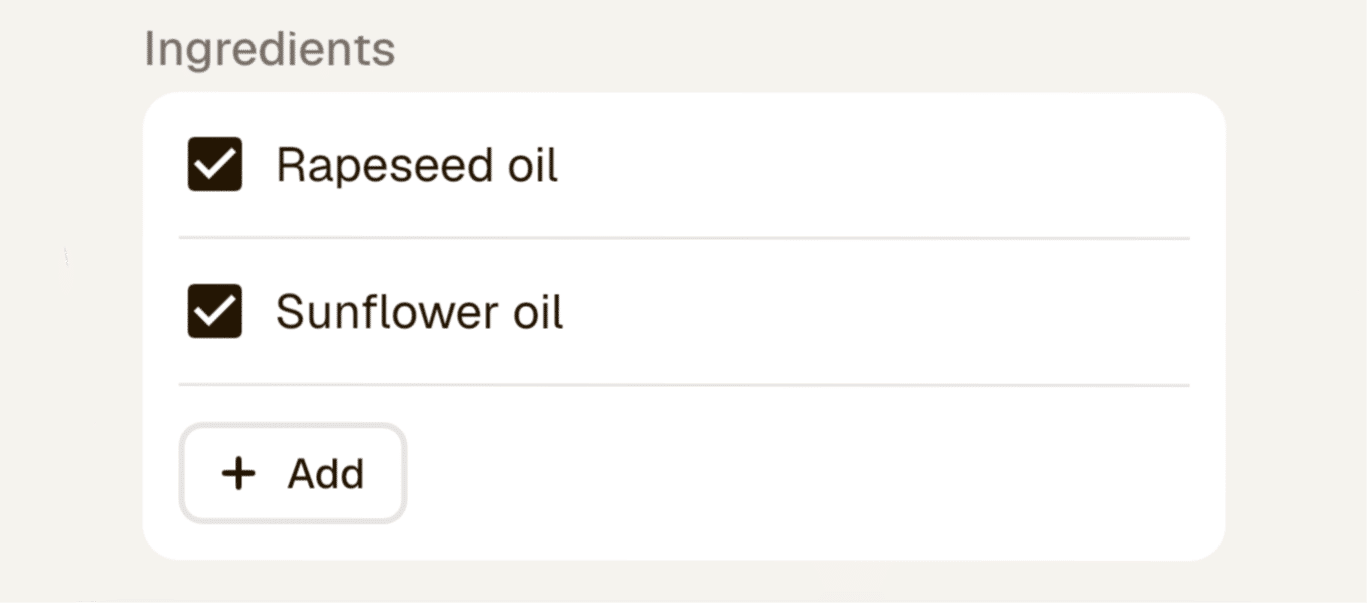
In The Food App, you can choose to avoid ultra processed foods and also filter out seed oils.
Why seed oils are widely used
Seed oils have practical advantages. They are affordable and widely available compared with many alternatives. They are high in unsaturated fat, which can support heart health when used in place of saturated fat. Their neutral taste makes them useful in both baking and frying. Refined rapeseed and canola oils also offer consistent performance, especially in high-heat cooking.
Find out if the food is ultra-processed, for free
In The Food App you can scan and search among thousands of UK products 🇬🇧
Bottom line
Current research does not show that seed oils are inherently harmful, but their health impact varies with processing method, fatty-acid profile, and cooking use. Cold pressed seed oils retain more natural compounds and are less heavily processed, which some consumers prefer. Rapeseed oil and canola oil generally have a more favourable omega profile than many other seed oils. The overall dietary pattern appears to matter more than any single oil.