
How to spot and identify ultra-processed foods (UPFs)
Learn how to spot ultra-processed foods by reading the ingredients list. A simple UK guide to flavourings, emulsifiers, sweeteners, gums and other UPF markers.

Tormund Gerhardsen
Founder of The Food App
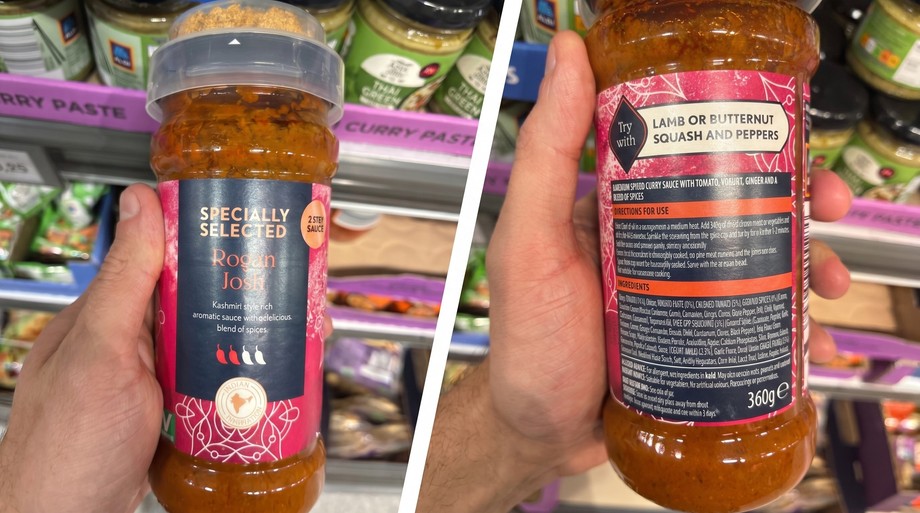
Most ultra-processed foods are not obvious from the front of the packet. Words like natural, high protein, plant-based, wholegrain or no added sugar do not tell you whether a food is ultra-processed or not.
The best place to look is the ingredients list.
Find out if the food is ultra-processed, for free
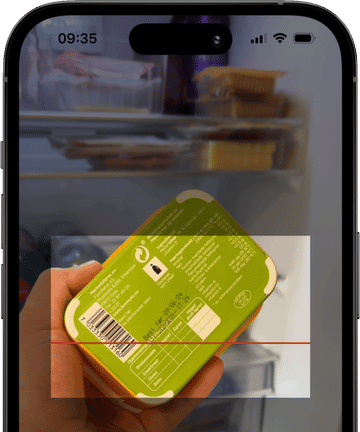
In The Food App you can scan and search among thousands of UK products 🇬🇧


How to read the ingredients list
If the ingredients list contains substances you would not normally use in a home kitchen like flavourings, emulsifiers, sweeteners, colourings, thickeners or modified starches, the product is to be considered ultra-processed.
This is the practical method used in the NOVA classification. Looking for ingredients that are characteristic of ultra-processed foods, including industrial food substances and «cosmetic additives» used to improve taste, texture, colour or appearance.
What to look for in the ingredients list
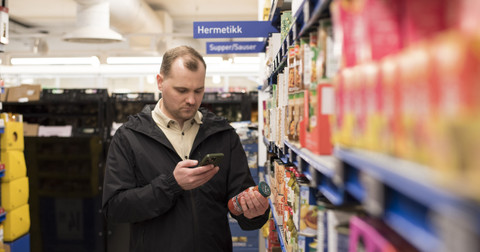
To spot ultra-processed foods, turn the packet over and read the ingredients list.
Look especially for:
- Flavourings, including «natural flavouring»
- Emulsifiers such as E471, E472e, E481 or lecithin
- Sweeteners such as sucralose, aspartame or acesulfame K
- Colourings
- Thickeners and gums such as xanthan gum, guar gum or modified starch
- Maltodextrin, dextrose, glucose syrup or fructose-glucose syrup
- Protein isolates, hydrolysed proteins, whey protein or wheat protein
- Refined palm oil
One clear UPF marker can be enough.
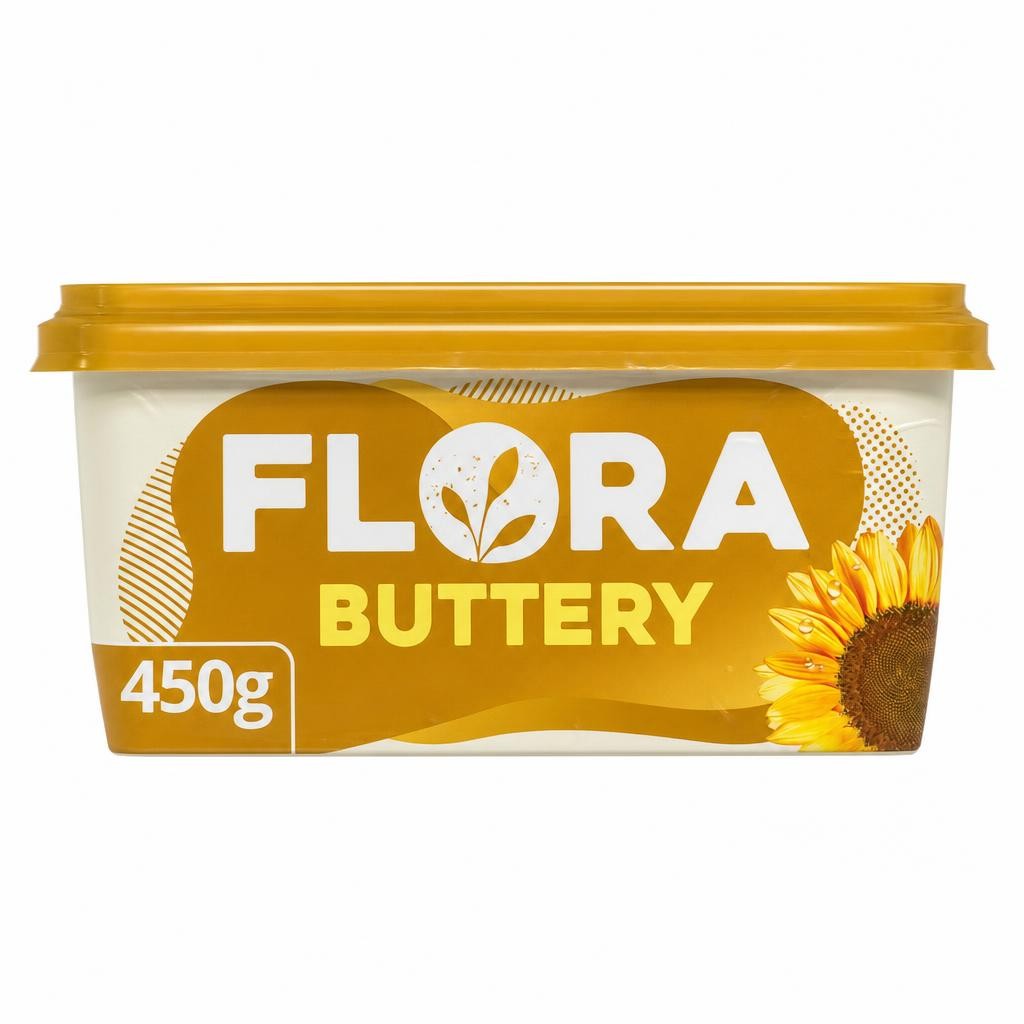
Flora Buttery Spread with Natural Ingredients 450G
Ingredients: Vegetable Oils (Rapeseed, Sunflower, Linseed in Variable Proportions), Water, Coconut Fat, Emulsifier (Sunflower Lecithin), Faba Bean Preparation, Salt (1, 3%), Natural Flavourings, Colour (Beta Carotene)
Flora Buttery Spread with Natural Ingredients 450G er Ultra-processed.
60 % of UK foods are ultra-processed
In The Food App’s 2026 analysis of more than 50,000 UK supermarket products, just over 60% were classified as ultra-processed. Flavourings were the most common indicator, appearing in 70% of the ultra-processed products identified.
Use The Food App to help you get started
Reading ingredients lists can be confusing, especially when products contain E-numbers or technical ingredient names like mono- and diglycerides of fatty acids.
It is also important to know that not all additives make a food ultra-processed. Some additives are used for safety, vitamins or basic preservation. The key is spotting ingredients commonly used to recreate flavour, texture, sweetness or appearance.
The Food App makes this easier. Scan a barcode or search for a product to see whether it is ultra-processed, and get better swaps to similar products that are not ultra-processed.
Find out if the food is ultra-processed, for free
In The Food App you can scan and search among thousands of UK products 🇬🇧
What is an ultra-processed food?
Not all processed food is ultra-processed.
Bread, cheese, tinned tomatoes, frozen vegetables, yoghurt, butter and olive oil are all processed in some way. Processing can make food safer, easier to store, easier to transport or more convenient. The Food Standards Agency also notes that some processing, such as pasteurisation or adding vitamins and minerals, can play an important role in food safety or nutrition.
Ultra-processed foods are different. They are usually industrial formulations made with ingredients, additives or processing aids that you would rarely find in a normal kitchen.
The important question is not simply: «Has this food been processed?»
The better question is: «Has this food been made with industrial ingredients or additives that are mainly there to recreate taste, texture, colour, sweetness or shelf life?»
Read more
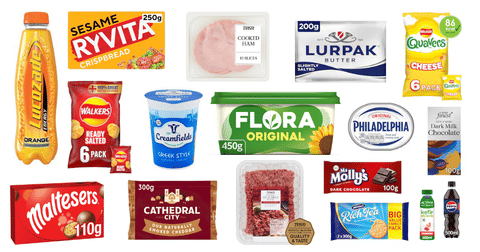
What is ultra-processed food? A simple guide with examples
It’s not always easy to tell whether a food product is ultra-processed or not. This...
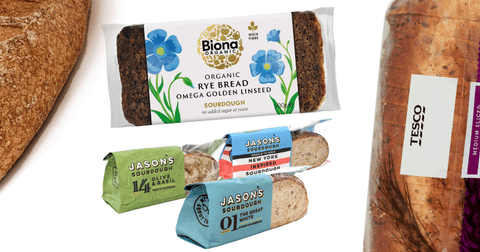
Breads in the UK that are not ultra-processed
Most supermarket breads are ultra-processed — but some products are different. Here’s what to look...
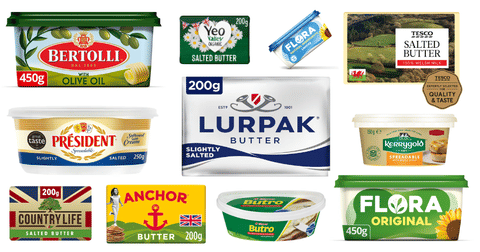
Butter: which products are ultra-processed and which are not?
Brands like Flora, Lurpak, Anchor and Kerrygold are often called butter. However, not all of...